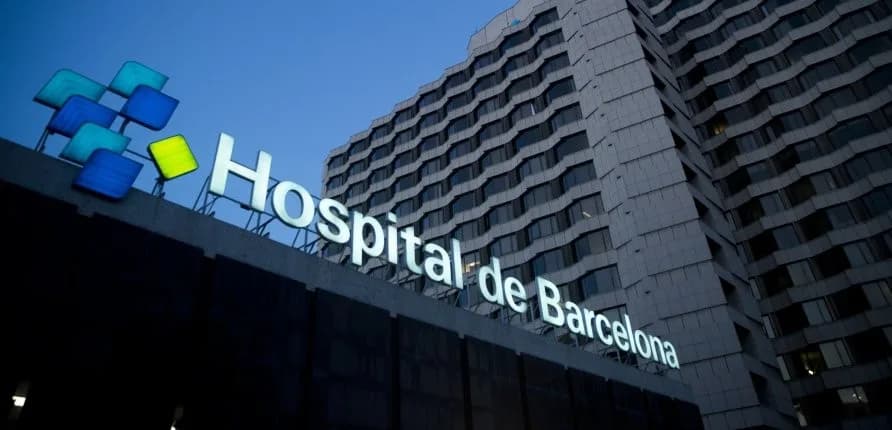

Badalona Serveis Assistencials (BSA) has established itself as an integrated health services organisation, serving Badalona, Montgat and Tiana. With 16 centres spread across the area, its model covers the four main levels of care (specialist, intermediate, primary and community), as well as mental health and addiction services.
With more than 1,000 employees, 700 of whom report directly to the Nursing Directorate, BSA is a model of decentralised, agile, community-based healthcare.
On this page
Adapting to a changing reality without overloading the team
Marisa Carretero, a nurse and Head of Nursing Professional Development and Strategic Projects, has spent more than 15 years on the front line of change in the sector, and above all of the growing complexity of workforce planning.
BSA was facing structural challenges in managing its workforce, which prompted the Nursing Directorate to look for solutions that would bring not only agility but also trust and continuity.
Too few professionals available
Every year, the nursing leadership team had to guarantee the quality of care with ever more limited human resources.
“There used to be more newly qualified professionals willing to rotate between centres, which made it easier to cover one-off needs.”
Overload on permanent staff
Staff commitment has been the invisible engine keeping the system running. Professionals were taking on as much as 150 hours of overtime a year, the equivalent of a full month without a break.
“We gave everything because there are patients behind it, but you cannot live on commitment alone. The accumulated tiredness and the emotional and physical toll weighed more than any financial incentive.”
Hard to scale
The existing system lacked the agility and transparency needed to run a growing, complex organisation, which made it difficult to plan extra cover and to bring in external staff quickly and safely. Despite the difficulties, BSA never had to close units for lack of professionals, but the process demanded far more effort from staff.
Livo, the digital platform that complements care planning
BSA’s leadership was clear that the solution was not just about filling shifts, but about filling them safely: also caring for the people who care. They recognised the need for a professional, agile tool that put staff wellbeing first and made it possible to adapt to a new reality in healthcare talent management.
In October 2024, BSA brought in Livo Pool to reinforce its traditional planning model. Far from replacing its internal processes, the platform was integrated as a complement, step by step.
The planning process with Livo
- Internal structural planning.
- Cover and overtime from permanent staff to fill the shifts.
- Publishing on Livo the shifts that could not be filled internally.
This approach kept the process transparent, protected the rest time of internal staff and covered every clinical need without compromising quality.
More agility, less overload and a better experience
What if they come once and never return?
Like any innovation, it initially raised doubts about whether external professionals would keep coming back. Even so, the team decided to try the platform without changing the way they planned. The approach worked and led to positive results.
- +220
- Shifts published
- +90%
- Shifts filled
- 33
- Returning professionals at the centre
- 75%
- Filled by returning professionals
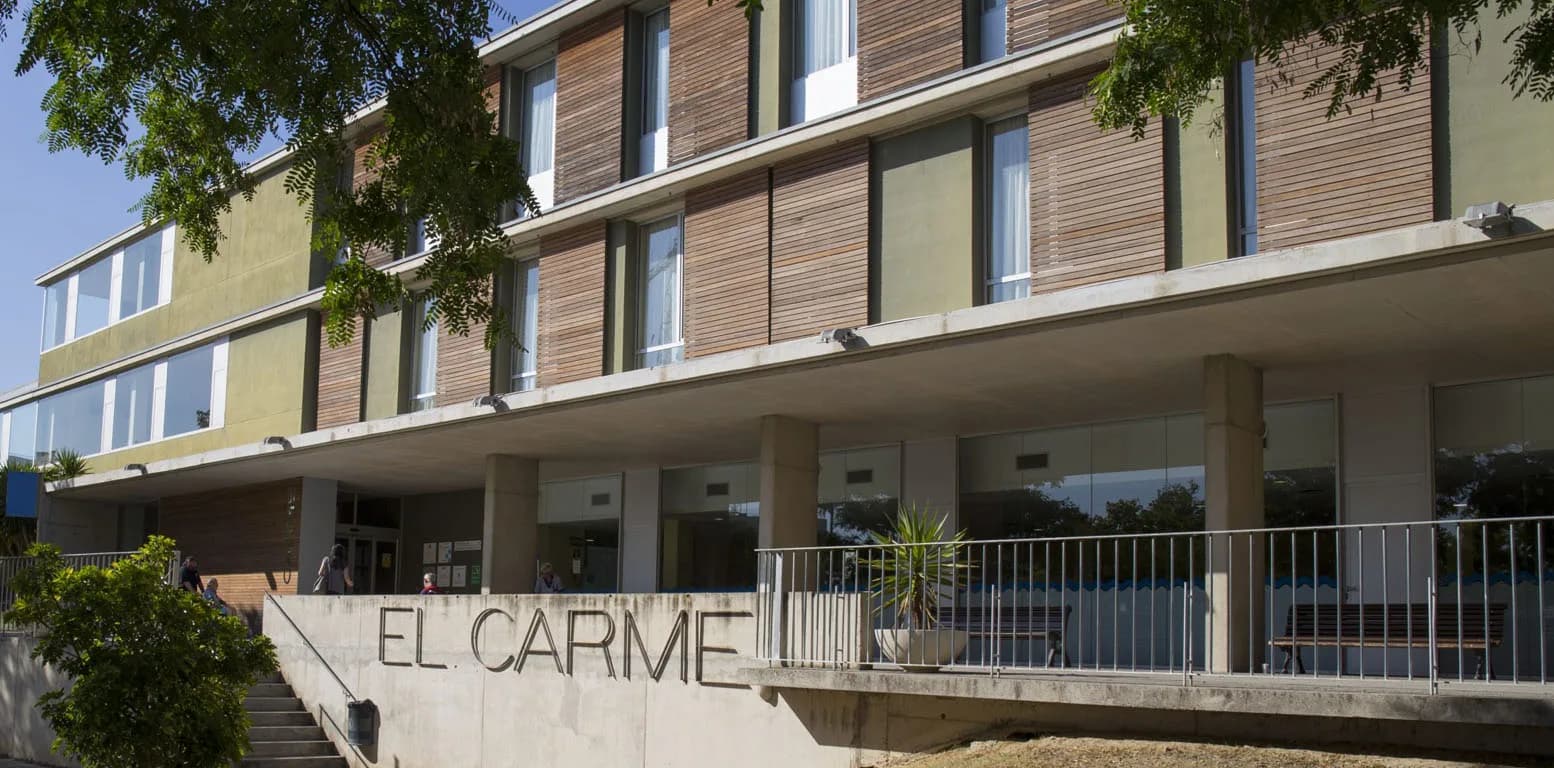
Figures from Centre Sociosanitari El Carme.
- Returning professionals started to appear: A significant number of external professionals began coming back regularly, building a relationship of trust and continuity with the centre and its teams. Marisa notes that they now have “10, 12, 14 regulars who already know the centre and the team”.
- A warm welcome from day one: The secret to retaining these returning professionals is a good welcome and clear communication from the very first shift: “We ask whether they need anything, whether things are going well or whether they have questions. They feel part of the centre from day one, and when someone feels good, they want to come back.” Supervisors offer support and check in during the shift, along with clear information about the centre’s care values. Staff also receive a short guide to how the medical records system works, to make settling in easier.
Better operational agility
- A significant drop in phone calls and manual last-minute changes.
- Faster, simpler, more efficient planning of short-term needs thanks to real-time digital visibility of shifts.
Less administrative load
- No more paper documents, and physical space freed up.
- Immediate access to critical information, with a greater ability to respond when the unexpected happens.
Livo is not here to replace anything. It is here to complement, to add, to offer one more route that helps give staff their rest, secure cover and improve patient safety.
A piece of advice for other centres
BSA’s recommendation to other healthcare centres is to start small, with clear internal communication and in a unit where the pilot is most likely to go well.
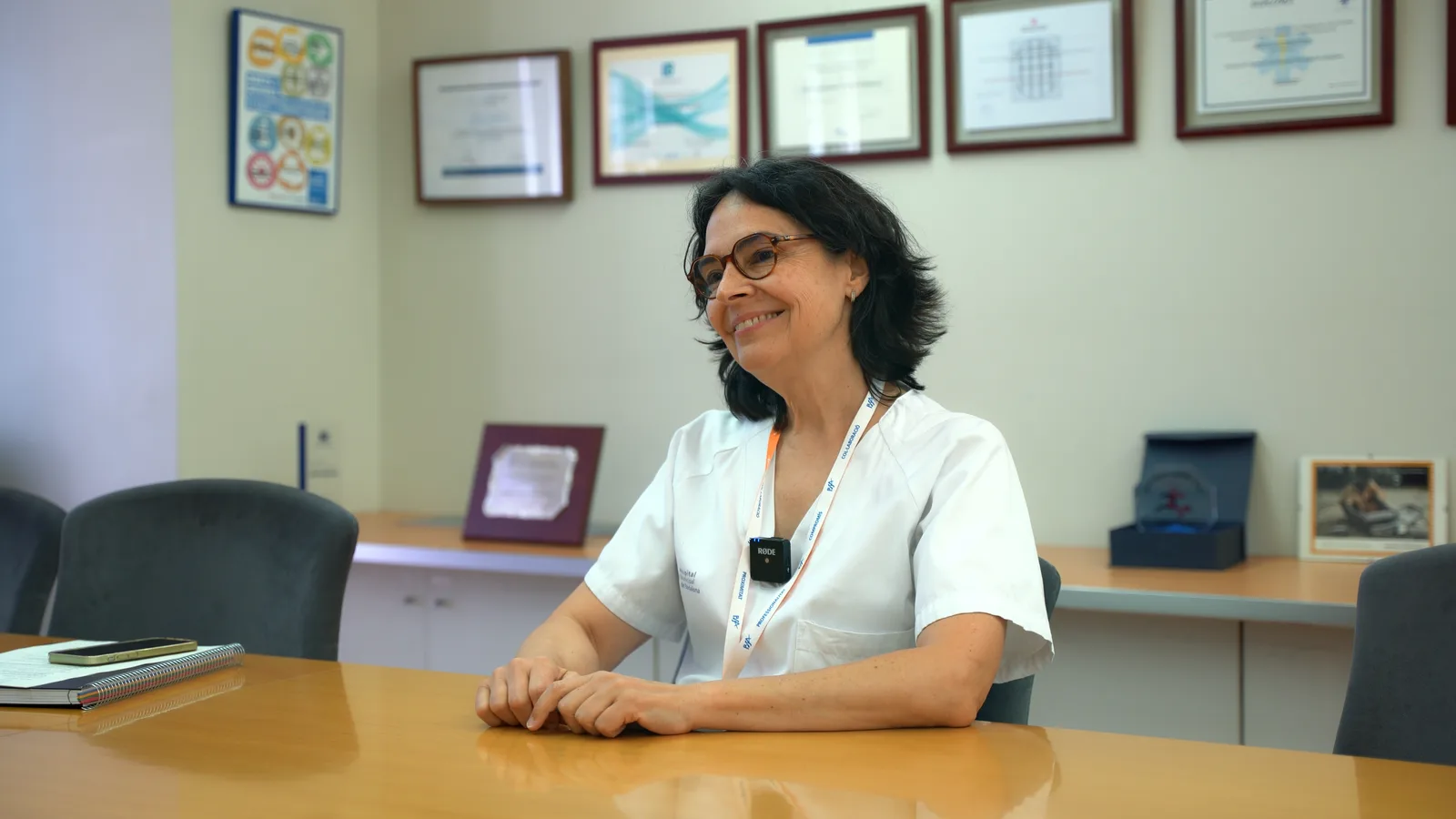
To anyone still hesitating, I would say give it a try, but you have to be willing to take the step. With good internal communication, and starting with a unit that is easier to cover, where you can run a successful pilot. And if I have a question, I call, I write, and I get an answer. That closeness makes all the difference. They do not work for our organisation, but they are part of the team.